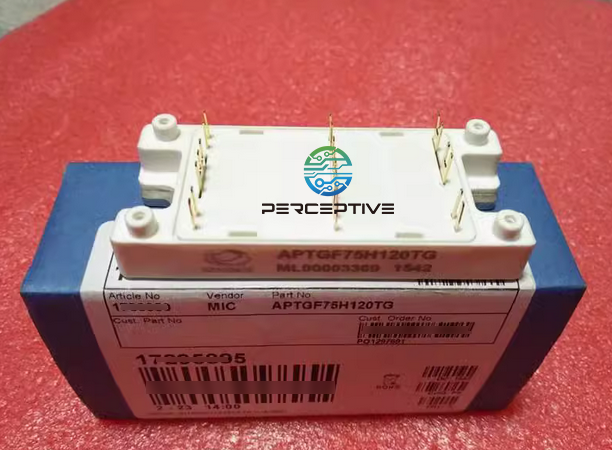
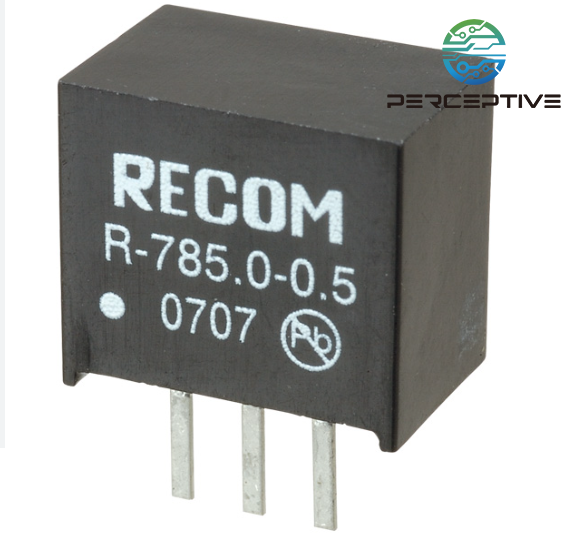
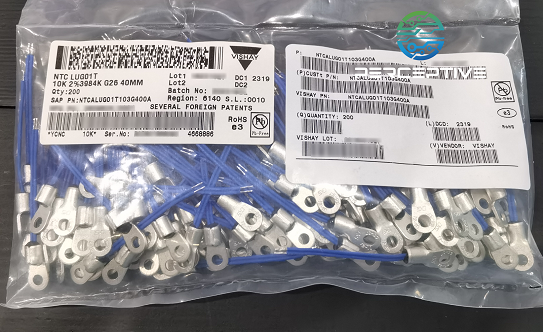
Electronic components mainly include components and devices. Electronic components are finished products whose molecular composition is not changed during production and processing, such as capacitors, resistors and inductors. Electronic devices are finished products whose molecular structure changes during the production process, such as electron tubes, integrated circuits, etc.
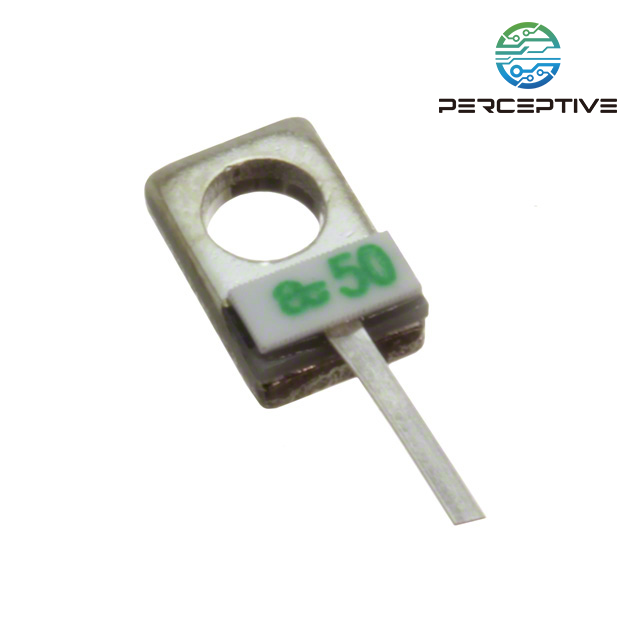
Resistor components
The failure of resistive components accounts for a large proportion of electronic equipment. Resistors can be divided into shunt, step-down, load, impedance matching and other functions. According to different structures, resistive components can be divided into wirewound resistors and non-wirewound resistors.
The main ways of failure of resistance components are contact damage, open circuit and lead mechanical damage.
The influence of temperature change on the resistance is mainly that when the temperature rises, the thermal noise of the resistance increases, the resistance value deviates from the nominal value, and the allowable dissipation probability decreases. But we can also take advantage of this characteristic of resistors, for example, there is a specially designed class of resistors: PTC (Positive Temperature Coefficient Thermistor) and NTC (Negative Temperature Coefficient Thermistor), whose resistance is affected by temperature very big.
Mechanical vibration will loosen solder joints and crimping points, resulting in mechanical damage such as poor contact.
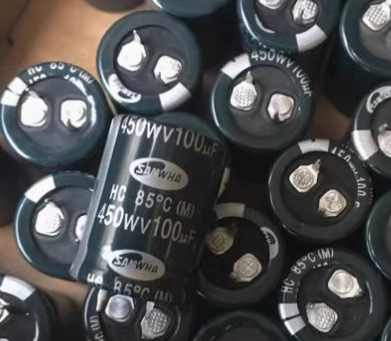
Capacitive components
The main ways of failure of capacitor components are breakdown, mechanical damage, electrolyte leakage, etc.
The main reasons for capacitor breakdown are:
1. There are defects, impurities and conductive ions in the medium;
2. The medium is aging;
3. There is electrical and air gap breakdown in the dielectric material;
4. The medium has mechanical damage during manufacturing and processing;
5. The molecular structure of the medium changes;
6. The migration of metal ions forms a conductive channel or edge flashover.
Capacitor failure may also be caused by an open circuit. Oxidation of the contact point between the lead wire and the capacitor leads to a low-level open circuit, poor contact between the lead wire and the electrode, and open circuit failure caused by the metal foil of the anode of the electrolytic capacitor due to mechanical breakage. In addition, capacitors may also fail due to electrical parameter degradation failures, such as: migration of metal ions in electrode materials, self-healing effect of metallized electrodes, electrolytic corrosion and chemical corrosion of electrodes, moisture, surface pollution, etc. Parameter degradation.
Inductive components
Inductive components involve transformers, inductors, filter coils, oscillating coils, etc. Most of the failures of inductive components are caused by external factors, such as: the temperature rise of the transformer, the short circuit of the load makes the current passing through the coil too large, etc., which will cause the coil to have short circuit, short circuit and breakdown.
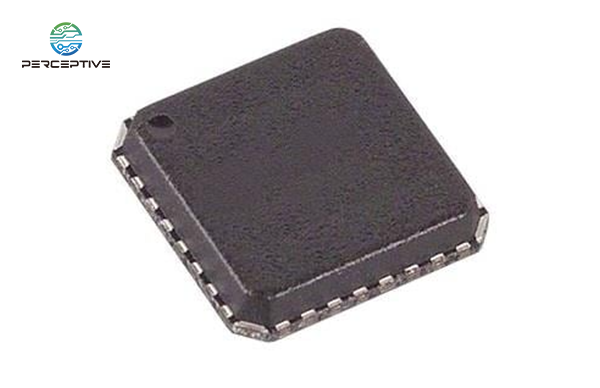
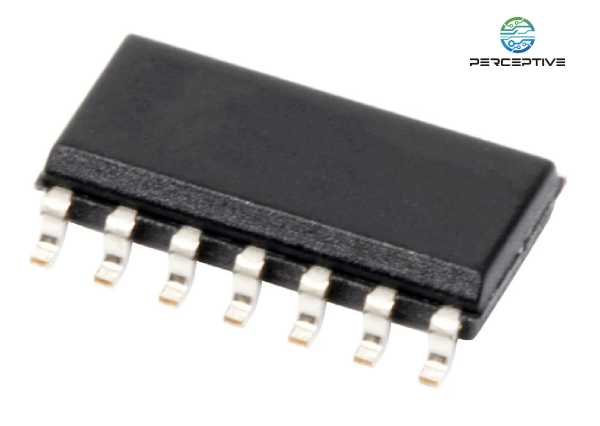
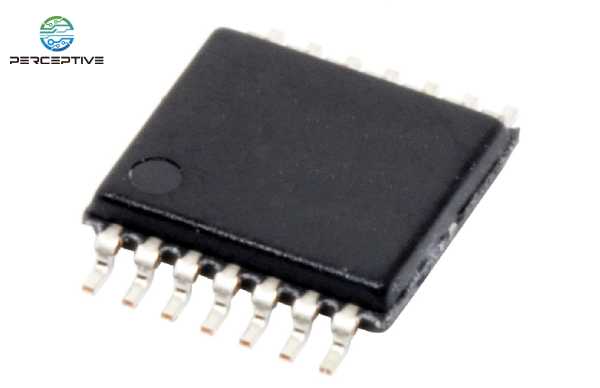
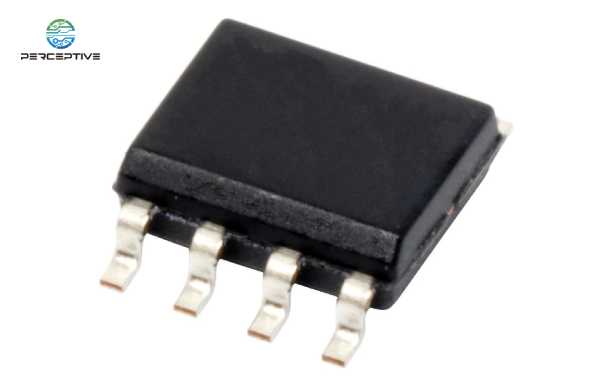
In an integrated circuit, no matter which part has a problem, the whole cannot operate normally, such as: electrode short circuit, open circuit, mechanical wear, poor solderability, etc. will all fail. Failures are mainly divided into complete damage and poor thermal stability. Thermal stability failures mainly occur at high or low temperatures, which exceed the operating temperature range of the device and fail.
Solution
So how to effectively find the failedhttps://www.perceptive-ic.com/ electronic components, and replace or repair the problem?
In debugging, when there is a problem that the circuit cannot work or does not work properly. First of all, through the dynamic observation method, that is, when the line equipment is powered on, the faults of electronic components are judged by listening, seeing, touching, smelling and other methods.
for example:
Listen to the equipment for abnormal sounds, and carefully check for smoke, sparks, etc. in the circuit;
Touch the components and circuits to see if they are hot;
Smell it for burnt and other smells.
It can also be judged by measuring the on-off situation in the circuit with a multimeter, and judging by measuring various values in normal and abnormal circuits.