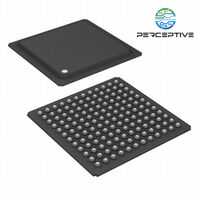
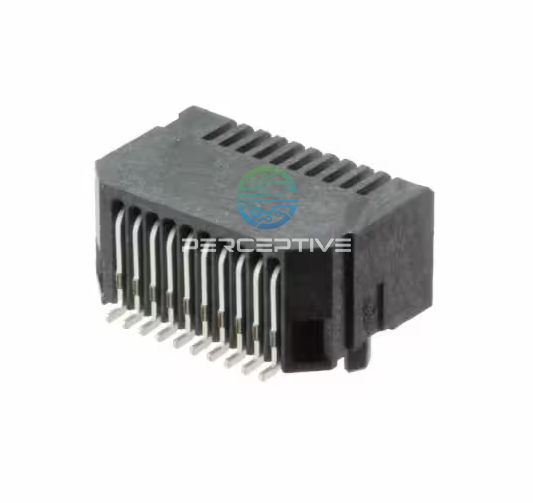
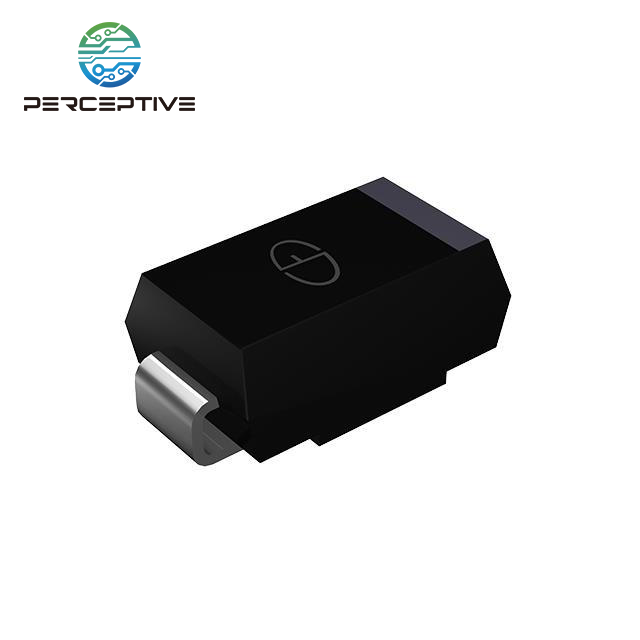
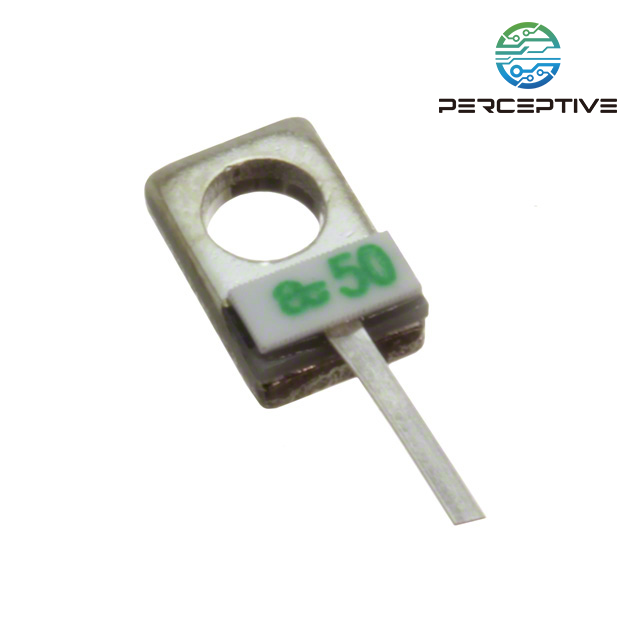
In modern electronics manufacturing, component performance depends not only on design and sourcing, but also on proper storage and transportation before assembly. Moisture-sensitive devices (MSDs) — including microcontrollers, power MOSFETs, memory ICs, and MEMS sensors — can absorb environmental humidity long before reaching the production line. Without effective vacuum packaging and moisture control, this exposure may lead to soldering defects, internal cracking, corrosion, and long-term reliability risks.
At Perceptive Components, packaging is treated as a core element of supply chain quality control rather than a logistics afterthought. For procurement teams and engineers, understanding moisture management practices is essential to protecting yield, reducing field failures, and safeguarding product reputation.
Why Moisture Is a Serious Risk
Most plastic-encapsulated semiconductor devices are hygroscopic to some degree. Over time, moisture diffuses through packaging materials and accumulates within the mold compound. During reflow soldering, temperatures can exceed 240°C. At these temperatures, trapped moisture rapidly vaporizes, generating internal pressure that may cause delamination, micro-cracks, or the well-known "popcorn" effect.
Even when visible damage does not occur, latent defects may weaken internal bonds and reduce long-term reliability. In high-reliability industries such as automotive electronics, industrial control systems, and telecommunications infrastructure, these small weaknesses can translate into field failures and warranty costs.
Beyond internal damage, elevated humidity can also:
Accelerate oxidation on component leads
Reduce solderability
Promote corrosion on exposed metal surfaces
Degrade PCB laminate properties during storage
For distributors and OEMs alike, improper moisture control increases scrap rates, rework time, and operational risk.
The Role of Vacuum Packaging
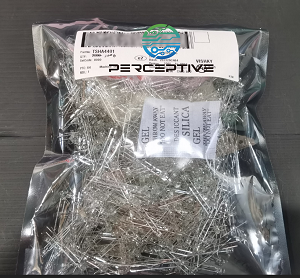
Vacuum packaging removes air — and therefore much of the water vapor — from the sealed environment surrounding sensitive components. Typically, devices are placed inside moisture barrier bags (MBBs) made from multi-layer laminated materials with very low water vapor transmission rates (WVTR). The air is evacuated before sealing, significantly reducing internal humidity.
The benefits are practical and measurable:
Lower Internal Relative Humidity: Reduced moisture slows oxidation and prevents condensation.
Protection Against Environmental Fluctuations: Vacuum-sealed packaging shields components from warehouse humidity changes and seasonal climate variations.
Extended Shelf Life: Components remain within acceptable moisture limits for longer storage periods.
Improved Transportation Stability: Reduced internal air space helps minimize movement and mechanical stress during shipping.
However, vacuum sealing alone is not sufficient for long storage cycles. Moisture can still permeate packaging materials slowly over time. That is why additional control measures are necessary.
Desiccants and Humidity Monitoring
Professional moisture control strategies combine vacuum packaging with desiccants and humidity indicator cards (HICs).
Desiccants such as silica gel or molecular sieve materials actively absorb residual moisture remaining after vacuum sealing. They also capture any moisture that gradually permeates through the barrier bag. Selecting the correct desiccant quantity is important and should be based on package volume, storage duration, and required humidity threshold.
Humidity indicator cards provide visual confirmation of internal relative humidity levels. When components arrive at the assembly site, production teams can immediately verify whether moisture exposure has occurred. This simple verification step reduces uncertainty and supports quality documentation.
For moisture-sensitive devices classified under industry handling standards, strict floor life control procedures are required once packaging is opened. Proper packaging ensures that the clock starts under controlled, traceable conditions.
Beyond Basic Vacuum Sealing: Advanced Protection Approaches
As semiconductor packaging technologies evolve — with thinner die structures, higher pin densities, and advanced materials — moisture sensitivity levels are becoming stricter. Leading supply chain practices increasingly include:
Nitrogen flushing to reduce oxygen content and minimize oxidation
Enhanced multi-layer barrier materials with ultra-low permeability
ESD-safe vacuum sealing systems to protect electrostatic-sensitive components
Digital humidity tracking within warehouse environments
For high-value or long lead-time components, these incremental improvements significantly reduce risk exposure.
Practical Recommendations for Procurement and Engineering Teams
When evaluating suppliers or distribution partners, moisture control practices should be part of the qualification process. Key questions include:
Are moisture barrier bags compliant with recognized industry standards?
Is desiccant sizing calculated appropriately?
Are humidity indicator cards included in every sealed unit?
Are storage conditions monitored and documented?
Is packaging integrity inspected before shipment?
Moisture protection is not just about compliance — it directly impacts yield, reliability, and total cost of ownership.
Conclusion
Vacuum packaging and moisture control are foundational elements of modern electronic component handling. As product complexity increases and reliability expectations rise, proactive moisture management becomes a strategic advantage rather than a routine procedure.
At Perceptive Components, we integrate strict packaging controls into our distribution processes to ensure that sensitive electronic components reach our customers in optimal condition. By combining vacuum sealing, desiccants, humidity monitoring, and controlled storage environments, we help procurement professionals and engineers reduce production risk and maintain long-term product reliability.