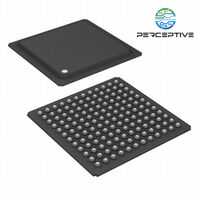
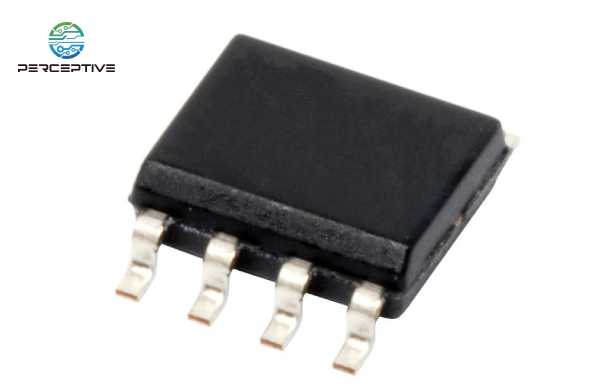
In high-frequency electronic systems, signal amplification plays a critical role in maintaining signal integrity and ensuring overall system performance. The HMC6832ALP5LE, developed by Analog Devices, is a wideband RF gain block amplifier designed for applications that require stable gain, low noise, and high linearity.
With the rapid development of wireless communication, radar, and test equipment, components like the HMC6832ALP5LE have become essential for engineers and procurement professionals seeking reliable RF solutions.
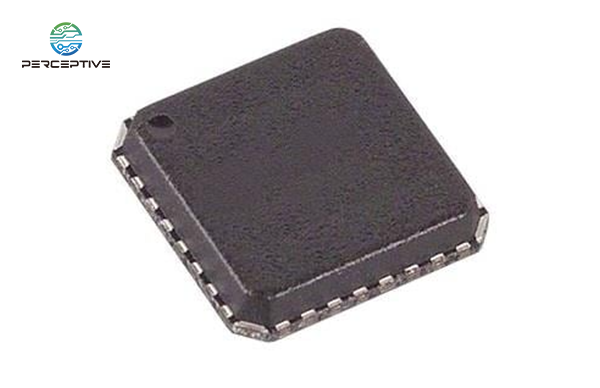
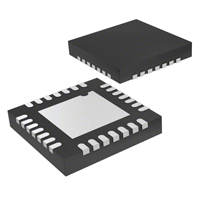
The HMC6832ALP5LE is a GaAs MMIC amplifier that provides broadband operation across a wide frequency range, making it suitable for multiple RF and microwave applications. Its compact LFCSP package allows easy integration into space-constrained designs while maintaining strong electrical and thermal performance.
This amplifier is designed as a general-purpose gain block, meaning it can be used in various stages of RF signal chains, including driver, intermediate gain, or output stages.
Key Features and Technical Advantages
Wideband Frequency Operation
One of the most important strengths of the HMC6832ALP5LE is its ability to operate over a broad frequency range. This allows engineers to use a single component across multiple applications, reducing design complexity and inventory requirements.
Stable Gain Performance
The amplifier provides consistent gain across its operating bandwidth. This ensures signal strength is maintained without introducing instability, which is critical in multi-stage RF designs.
Low Noise Figure
A low noise figure helps preserve signal quality, especially in receiver front-end applications. This makes the device suitable for systems where weak signals must be amplified without significant degradation.
High Linearity
The HMC6832ALP5LE offers strong linearity performance, allowing it to handle higher input power levels with minimal distortion. This is essential in modern communication systems where signal interference must be minimized.
Compact and Reliable Packaging
The 5 mm × 5 mm LFCSP package supports efficient heat dissipation and simplifies PCB layout. It also enhances mechanical reliability for long-term use.
Applications of HMC6832ALP5LE
Wireless Communication Systems
The amplifier is widely used in base stations and RF front-end modules, where stable signal amplification is required for reliable communication.
Test and Measurement Equipment
In instruments such as spectrum analyzers and signal generators, the HMC6832ALP5LE ensures accurate signal amplification, supporting precise measurements.
Radar and Defense Systems
Its wide bandwidth and high linearity make it suitable for radar applications, where signal accuracy and dynamic range are critical.
Satellite and Microwave Communication
The device supports high-frequency transmission systems by providing consistent gain and low noise performance.
Industrial and IoT RF Modules
With the growth of IoT, the amplifier is increasingly used in wireless sensing and industrial communication modules.
Design Considerations
To achieve optimal performance, proper impedance matching is essential when integrating the HMC6832ALP5LE into a design. Well-designed matching networks can maximize gain and minimize signal reflection.
Engineers should also pay attention to PCB layout and grounding to maintain signal integrity. Power supply filtering is equally important to prevent unwanted noise from affecting RF performance.
Thermal management, although supported by the package, should not be overlooked in high-power applications.
Supply and Availability
For procurement professionals, component availability is a key factor. Perceptive Components provides stable supply and reliable sourcing of HMC6832ALP5LE, ensuring fast delivery for both prototyping and production.
With strong industry experience, Perceptive Components helps customers reduce supply chain risks and maintain consistent product quality.
Conclusion
The HMC6832ALP5LE is a versatile and high-performance RF amplifier that meets the needs of modern wireless and microwave systems. Its wide bandwidth, low noise, and high linearity make it a reliable choice for engineers working in demanding applications.
For both design and procurement, this device offers a balance of performance, flexibility, and availability, making it a valuable component in RF system development.